

The Future of Invitations Is AI-Powered
For years, creating an invitation has followed the same pattern: choose a template, replace the name, update the date, adjust a few colors, and send it out.
It is convenient, but it is also why so many invitations feel alike. The event may be deeply personal; the invitation can still look like a design hundreds of people have already used.
That is beginning to change.
The future of invitations is AI-powered—not because every invitation needs to look futuristic, but because people can finally start with an idea instead of someone else’s design.
The creative process has not kept up
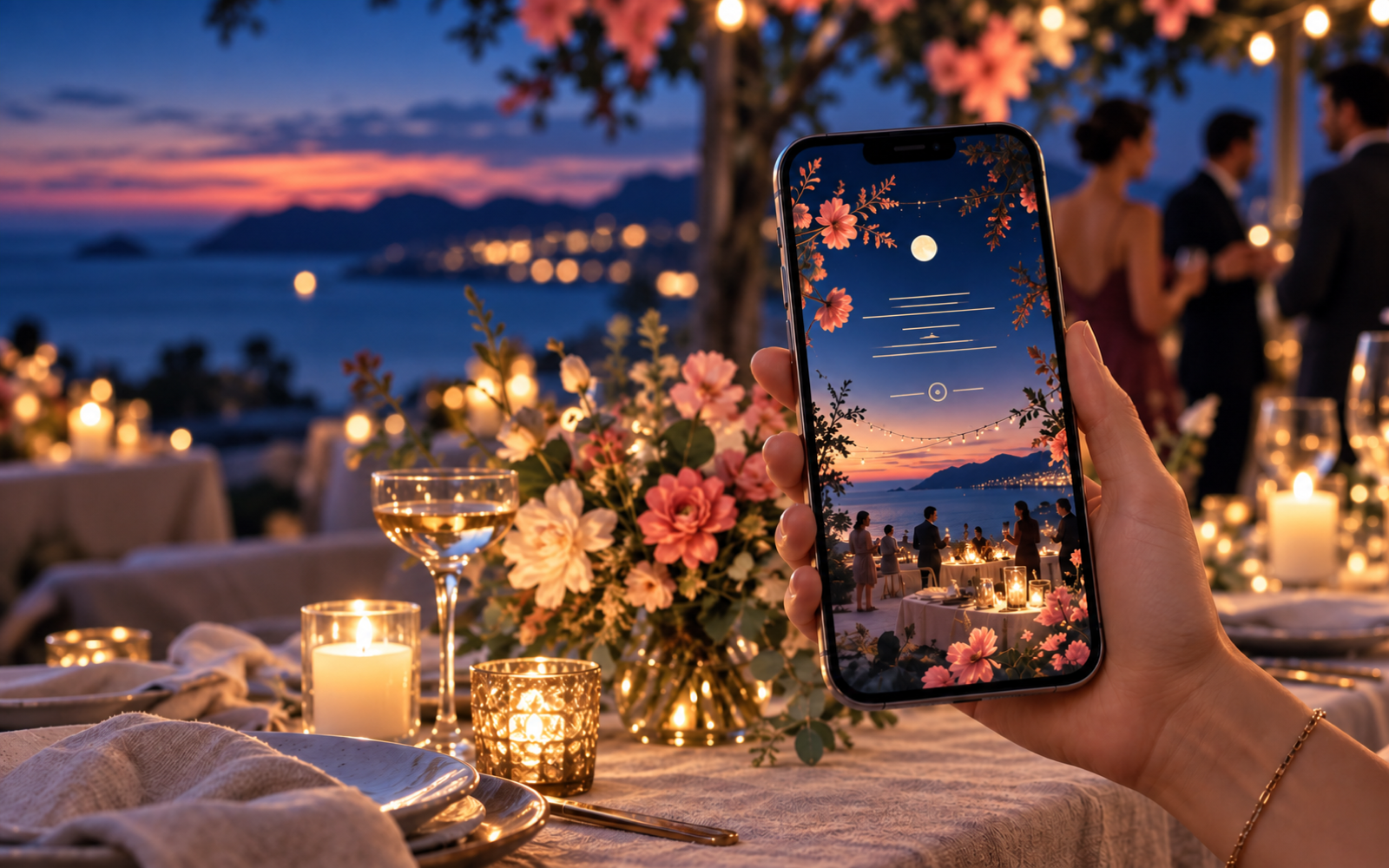
Invitations have moved from paper to email, text messages, and shareable links. Delivery has become faster, but the creative process has largely stayed the same.
Most digital invitation makers still ask people to browse a library, choose a layout, and edit what is already there. The host has to adapt the celebration to the template’s image area, typography, and mood.
That works for sharing the basic details. But a meaningful invitation should also give guests a glimpse of the experience ahead. It should sound like the people hosting it and feel specific to the occasion.
AI changes the starting point
The most important change AI brings to invitations is not a faster editing toolbar. It is a different starting point.
Instead of beginning with a template, a host can begin with a thought: “A relaxed 40th birthday on a rooftop at sunset, with warm colors, good food, and live music.”
That sentence contains more than a date and location. It contains intention. It tells us something about the atmosphere and the memory the host hopes to create.
An AI invitation maker can use that context to suggest a visual direction, shape the wording, and create something connected to the occasion—not simply filled in with its details.
One process asks, “Which design should I edit?” The other asks, “What should this celebration feel like?”
From templates to original visual ideas
Templates will always be useful for inspiration. They should not be the limit of what an invitation can become.
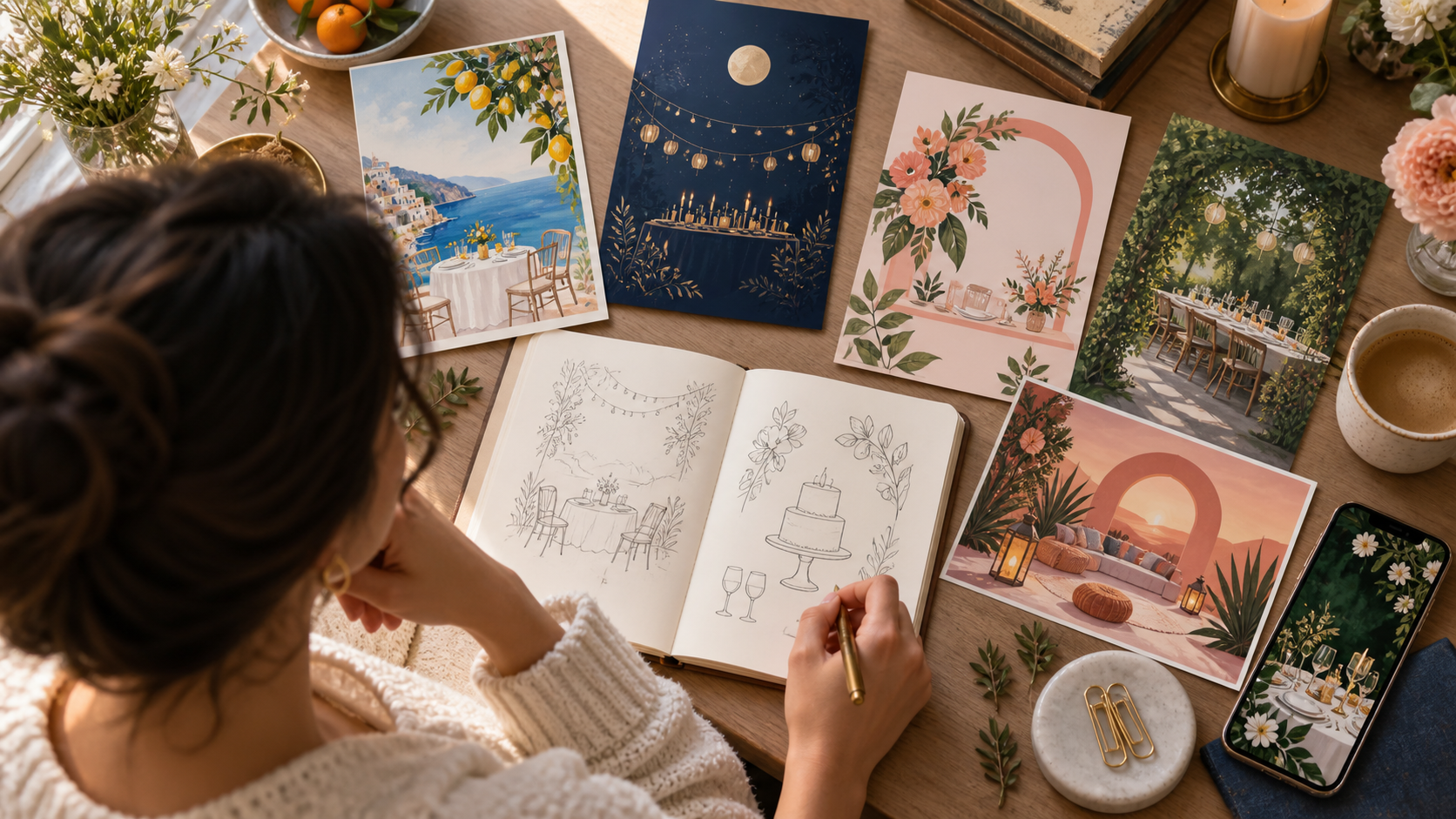
AI-generated invitations can create visual ideas around a specific setting, mood, or story. A garden wedding can feel botanical and intimate. A child’s birthday can become a bright illustrated world. A graduation invitation can reflect a person’s journey rather than relying only on a cap-and-diploma graphic.
The goal is not endless choice. It is a shorter, more natural path from imagination to expression.
The host still brings the taste, memories, and point of view. AI makes it easier to explore what those things could look like.
Personalization will mean more than a name
Changing a name, date, or color is useful, but it is only basic customization.
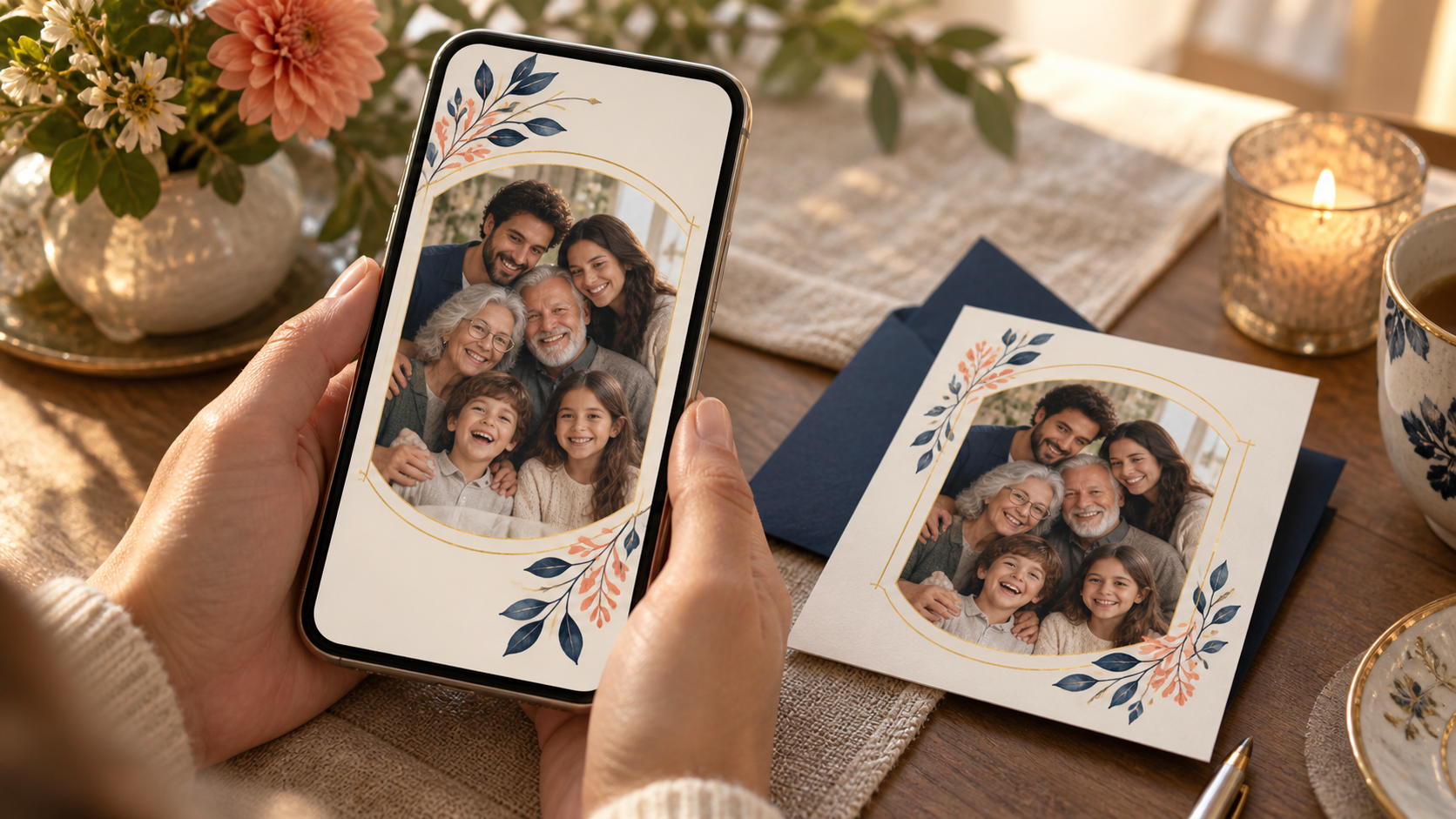
The next generation of personalized invitations will use images and video to make an occasion feel unmistakably connected to the people being celebrated. A favorite photograph can bring warmth to a birthday. A family portrait can give a holiday gathering a sense of history. A picture of a place can help guests imagine where the story begins.
AI can help these personal elements sit naturally inside a polished design, rather than leaving the host with a simple collage.
That is a better definition of personalization: not just inserting information, but making the invitation feel as though it could belong to no one else.
Video invitations will create anticipation
Video is one of the clearest ways AI will change invitations.
An invitation in motion can introduce an event’s energy before anyone arrives. A photograph can become part of a short story. A few seconds of movement can turn a date and location into something guests can imagine themselves entering.
The best video invitations will not need to be elaborate. A graceful transition, a meaningful image, or a small visual detail may be enough.
AI makes this more accessible because the host does not need to storyboard, animate, edit, and export a video from scratch. They can begin with the occasion and feeling, then shape the result until it feels right.
A new way to create invitations
The future of invitations is AI-powered, but the best result should never feel machine-made. It should feel like a clearer, more beautiful expression of the host’s own idea.
That is what makes pixivite different. Instead of asking you to force your celebration into a predefined layout, pixivite brings the essential pieces of AI invitation creation into one place: describe the occasion, shape the visual idea, add personal images, create a polished invitation or video, and refine it until it feels right.
For hosts who want more than another edited template, pixivite offers a more natural path from imagination to something worth sharing. For hosts who want more than another edited template, pixivite offers a more natural path from imagination to something worth sharing.